Mumbai Housing Redevelopment: The Best Proven Sales Strategy
Mumbai housing redevelopment is transforming the market with 15% sales growth.
Mumbai housing redevelopment is driving significant changes in the real estate market. Recent reports indicate that these projects now account for 15% of total sales, showcasing a shift in buyer preferences and investment strategies.
Understanding Mumbai’s Housing Market
Mumbai’s housing market is experiencing a significant transformation, driven largely by the surge in housing redevelopment projects. These initiatives aim to replace aging structures with modern residential complexes, catering to the city’s ever-growing population.
The demand for housing in Mumbai is fueled by several factors:
- Population Growth: Mumbai’s population continues to rise, leading to increased demand for residential spaces.
- Urbanization: More people are moving to urban areas for better job opportunities, further straining the available housing stock.
- Infrastructure Development: Improved infrastructure, such as new transport links and amenities, enhances the appeal of redeveloped areas.
According to recent reports, redevelopment projects now contribute to 15% of sales in the housing market. This trend signifies a shift in consumer preferences, as buyers increasingly favor modern amenities and better living conditions over older properties. Redevelopment not only addresses the housing shortage but also revitalizes neighborhoods, creating vibrant communities that attract homebuyers.
As developers embrace innovative designs and sustainable practices, the future of Mumbai’s housing landscape looks promising. Understanding these dynamics is crucial for stakeholders within the real estate sector to navigate the evolving market effectively.
Key Factors Driving Redevelopment
The Mumbai housing redevelopment market has witnessed significant growth, driven by various key factors that shape the landscape of real estate in the city. Understanding these factors is essential for stakeholders looking to navigate this complex environment.
- Urbanization: With a rapidly growing population, the demand for housing in Mumbai continues to rise. Redevelopment projects cater to this need by transforming older structures into modern living spaces.
- Government Initiatives: Supportive policies and incentives from the government have made it easier for developers to engage in housing redevelopment. These initiatives encourage investment and streamline the approval process.
- Infrastructure Development: Improved infrastructure, including transportation, utilities, and public amenities, enhances the appeal of redevelopment areas. Residents are increasingly attracted to well-connected neighborhoods.
- Environmental Considerations: Redevelopment projects often incorporate sustainable practices, appealing to environmentally conscious buyers. Green buildings not only reduce the carbon footprint but also offer long-term savings on utilities.
- Market Demand: The shift in buyer preferences towards modern amenities and locations drives the success of housing redevelopment projects. Buyers are willing to invest in properties that meet contemporary lifestyle needs.
In conclusion, the convergence of these factors significantly contributes to the momentum of Mumbai housing redevelopment, reinforcing its position as a vital segment of the real estate market.
Impact of Redevelopment on Sales
The impact of redevelopment on sales in Mumbai’s housing market is significant and multifaceted. A growing number of redevelopment projects are transforming outdated structures into modern living spaces, which has led to a surge in buyer interest.
One major reason for this increased demand is the appeal of new amenities and improved infrastructure. Buyers are often drawn to the following aspects:
- Modern Facilities: Redeveloped properties typically offer upgraded facilities such as gyms, swimming pools, and landscaped gardens.
- Location Benefits: Many redevelopment projects are strategically located near essential services like schools, hospitals, and transportation hubs.
- Enhanced Safety: New constructions often incorporate better safety features, appealing to families and individuals looking for secure living environments.
Moreover, the trend towards Mumbai housing redevelopment is not just about aesthetic improvements. It also reflects a broader shift in consumer preferences. As buyers become more discerning, they often prioritize properties that promise both quality and sustainability.
The rise in redevelopment-driven sales, now accounting for 15% of the market, highlights how crucial these projects are to Mumbai’s evolving housing landscape. By addressing contemporary needs and preferences, redevelopment is proving to be a robust sales strategy in the city’s real estate ecosystem.
Future Trends in Mumbai Real Estate
The landscape of Mumbai’s real estate market is shifting as redevelopment projects continue to gain momentum. The trend towards Mumbai housing redevelopment is not just a temporary phase; it is likely to shape the future of the city’s residential landscape. Several factors underline this transformation:
- Urbanization: With increasing urban migration, the demand for housing in Mumbai remains high, pushing developers to consider redevelopment as a viable solution.
- Government Initiatives: Policies aimed at promoting redevelopment projects, such as incentives for developers and streamlined approval processes, are encouraging investment in this sector.
- Sustainability: New projects are increasingly focusing on eco-friendly designs and sustainable living, appealing to the environmentally conscious buyer.
- Technological Advancements: Innovations in construction and design are making redevelopment projects more efficient and attractive to potential buyers.
As developers respond to these trends, we can expect a rise in mixed-use developments that integrate residential, commercial, and recreational spaces. This holistic approach not only addresses the housing shortage but also enhances the overall urban experience for residents. Moving forward, the successful integration of these elements will be critical for sustaining the growth of Mumbai housing redevelopment projects and ensuring they meet the evolving needs of the city’s population.
How to Invest in Redevelopment Projects
Investing in redevelopment projects in Mumbai can be a lucrative opportunity for both seasoned investors and newcomers alike. With the rapid growth of urbanization and the pressing need for housing solutions, understanding how to navigate this market is essential.
To effectively invest in Mumbai housing redevelopment, consider the following strategies:
- Research Local Areas: Identify neighborhoods with high potential for redevelopment. Areas with aging infrastructure or low property values may present lucrative opportunities.
- Work with Professionals: Collaborate with real estate agents, urban planners, and legal experts who specialize in redevelopment to gain insights and access to exclusive projects.
- Understand Regulations: Familiarize yourself with local zoning laws, building codes, and redevelopment policies. This knowledge is crucial for ensuring compliance and maximizing returns.
- Evaluate Financials: Carefully assess the financial viability of each project, including costs, potential returns, and financing options to make informed decisions.
- Engage with the Community: Building relationships with local residents and stakeholders can provide valuable insights and foster support for redevelopment initiatives.
By strategically approaching Mumbai housing redevelopment, investors can capitalize on the growing demand for quality housing while contributing to the revitalization of urban areas.
One of the key factors driving success in Mumbai housing redevelopment is understanding the unique needs of the local market. By leveraging innovative marketing techniques, developers can enhance their strategies for Mumbai housing redevelopment.
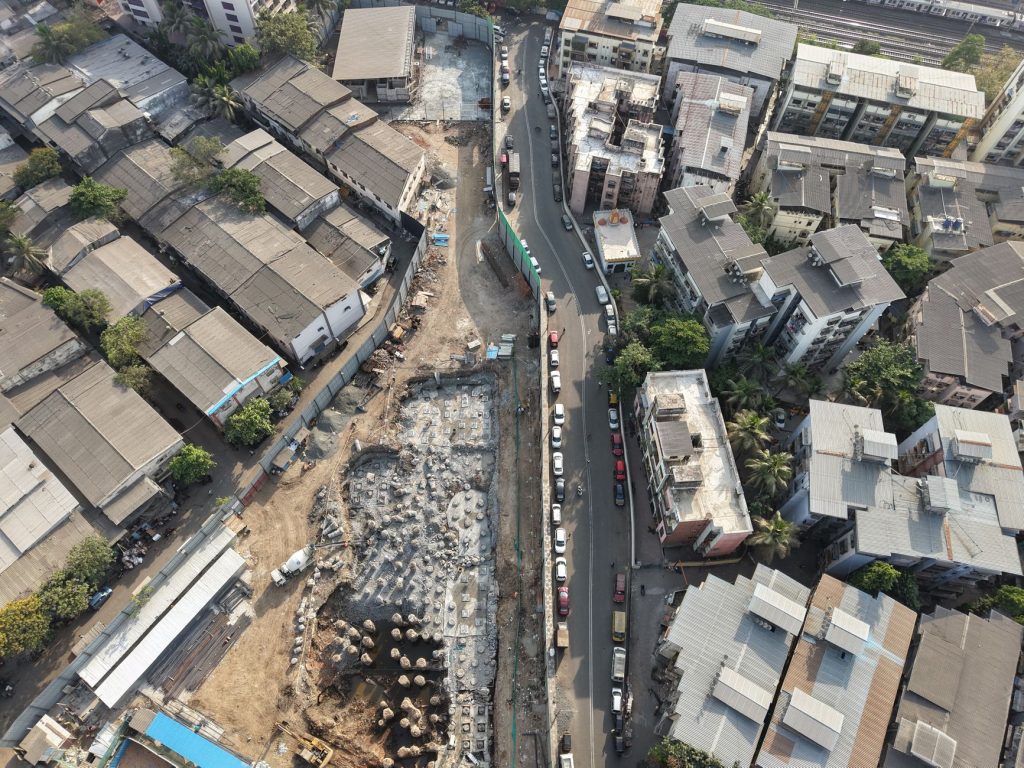
Photo by Rajkumarrr comics on Pexels