
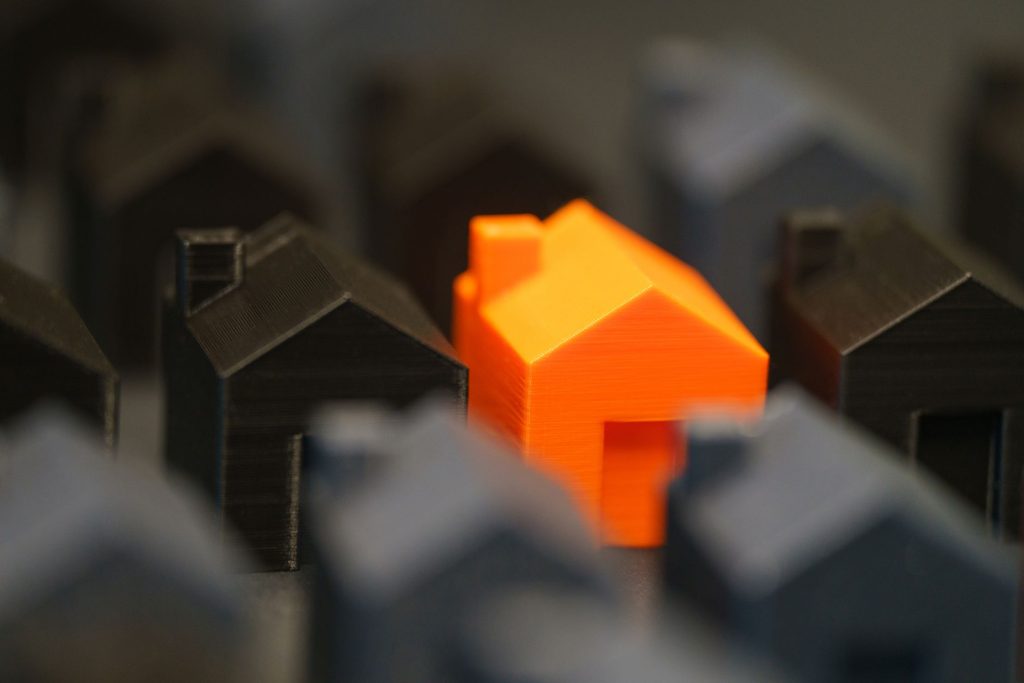
Falling Property Prices: The Worst Impact on Home Sales
Falling property prices are affecting home sales across Australia.
falling property prices are creating a challenging environment for home sellers. Despite declining prices, many houses aren’t moving, leaving both buyers and sellers in a difficult position.
Current Trends in Property Prices
Recent trends indicate a significant shift in the real estate market, with falling property prices causing a noticeable slowdown in home sales. According to industry reports, many potential buyers are hesitant to make purchases, leading to an increase in unsold listings.
Several factors contribute to this phenomenon:
- Economic uncertainty: With rising inflation and interest rates, buyers are more cautious about committing to a property.
- Overvaluation: Many homes were priced too high during the market boom, and as prices begin to adjust, sellers are struggling to attract buyers.
- Increased inventory: The market is seeing a surge in available properties, which is driving prices down further and creating a competitive environment.
Despite the falling property prices, the lack of sales activity raises concerns among real estate professionals. Experts warn that prolonged stagnation could lead to a more significant downturn in the housing market. Buyers are holding back, hoping for even lower prices, while sellers are reluctant to lower their expectations. This stalemate may lead to a challenging landscape for both parties in the near future.
Why Are Houses Not Selling?
The current stagnation in home sales can be attributed to several factors, despite the ongoing trend of falling property prices. Many potential buyers are facing increased uncertainty in the market, leading them to hesitate before making significant financial commitments.
One major reason is the rise in mortgage interest rates, which has made borrowing more expensive. As a result, even with falling property prices, monthly payments can still be prohibitive for first-time buyers and those looking to upgrade. This has created a situation where:
- Affordability issues prevent many from entering the market.
- Economic uncertainty makes buyers cautious about their financial future.
- Changing buyer preferences have shifted demand towards rental properties or alternative housing solutions.
Moreover, sellers are often reluctant to lower their prices significantly, hoping to wait for a market rebound. This results in a stalemate where houses are not selling, despite the falling property prices. In this challenging environment, both buyers and sellers are left grappling with the realities of a shifting real estate landscape.
Impact of Economic Factors on Real Estate
The recent decline in property prices has raised concerns about the broader economic factors influencing the real estate market. With falling property prices, many potential buyers remain hesitant, often citing economic uncertainty as a primary reason for their reluctance to invest in homes.
Several key factors are contributing to this trend:
- Interest Rates: Higher mortgage rates have made financing more expensive, discouraging buyers from entering the market.
- Inflation: Persistent inflation has increased the cost of living, leaving buyers with less disposable income to allocate towards purchasing a home.
- Job Market Instability: Uncertainty in the job market can lead to hesitation among potential buyers, who may fear making long-term financial commitments.
- Consumer Confidence: A decline in consumer confidence can result in fewer individuals willing to make significant investments, such as buying a house.
As these economic factors continue to exert pressure on the housing market, the impact of falling property prices becomes even more pronounced. Home sales are likely to remain sluggish as buyers adopt a wait-and-see approach, hoping for more favorable market conditions before making their next move.
Buyer Sentiment in a Falling Market
As falling property prices continue to dominate the market, buyer sentiment is shifting significantly. Many potential homebuyers are adopting a wait-and-see approach, hesitant to make purchases in an uncertain environment. The perception that property values may decline further has led to increased caution among buyers.
In this volatile atmosphere, several factors are influencing buyer attitudes:
- Fear of Further Declines: Many buyers worry that if they purchase now, they could end up overpaying for a property that may lose even more value in the near future.
- Increased Inventory: With more homes available on the market, buyers feel less pressure to act quickly. This surplus allows them to take their time in making decisions.
- Rising Interest Rates: As mortgage rates rise, the overall cost of homeownership increases, leading buyers to reconsider their options.
These factors combine to create a sense of uncertainty, making it challenging for sellers to attract potential buyers. As buyer sentiment remains cautious in a market marked by falling property prices, the outlook for home sales appears bleak in the near term.
Expert Opinions on Housing Demand
As the market grapples with falling property prices, experts are weighing in on the implications for housing demand. Many analysts believe that the persistent decline in prices could signal a shift in buyer behavior, as potential homeowners become increasingly cautious.
According to Dr. Emily Carter, a renowned real estate economist, “While lower prices may attract buyers, the uncertainty surrounding the economy can deter them from making a purchase. People are hesitant to commit when they fear further declines in property values.”
Additionally, Mark Thompson, a veteran real estate agent, emphasizes the role of confidence in the market. He states, “Even with falling prices, if buyers lack confidence in their financial stability or the future of the real estate market, they will hold off on buying. This creates a paradox where decreasing prices do not necessarily lead to increased sales.”
Furthermore, a recent survey indicated that many prospective buyers are waiting for a more favorable market climate before making a decision. Home sales are stalling as individuals prioritize job security and economic stability over purchasing property.
In conclusion, while falling property prices may seem advantageous at first glance, the underlying economic anxieties are complicating the housing demand landscape.
Strategies for Selling in a Slow Market
In a market characterized by falling property prices, homeowners must adapt their selling strategies to attract buyers. Here are some effective approaches to consider:
- Price Adjustment: Evaluate your property’s price in comparison to similar homes in the area. An appropriate reduction can make your listing more appealing and encourage offers.
- Enhance Curb Appeal: First impressions matter. Invest in landscaping, fresh paint, or minor repairs to create an inviting atmosphere for potential buyers.
- Highlight Unique Features: Make sure to showcase any unique aspects of your home, whether it’s energy-efficient appliances or a newly renovated kitchen, to differentiate your property from others.
- Flexible Showings: Be accommodating with showing times, including evenings and weekends, to increase the chances of attracting interested buyers.
- Work with a Real Estate Professional: An experienced agent can provide valuable insights into market trends and offer targeted marketing strategies to reach the right audience.
By implementing these strategies, sellers can navigate the challenges posed by falling property prices and increase their chances of closing a sale, even in a slow market.
Future Predictions for Property Prices
As the trend of falling property prices continues, experts are beginning to assess the potential future implications for the real estate market. Many analysts predict that if the current trajectory persists, we may see a further decline in home values over the next year.
Several factors could contribute to this scenario:
- Increased Interest Rates: Higher mortgage rates may deter potential buyers, leading to lesser demand and consequently more price drops.
- Economic Uncertainty: Ongoing fluctuations in the economy can lead to a lack of consumer confidence, causing buyers to hold off on purchasing homes.
- Inventory Levels: An oversupply of homes on the market can exacerbate falling property prices, as sellers may be forced to reduce prices to attract buyers.
Experts also warn that if property prices continue to fall, it could create a cycle of reduced home equity for current homeowners, further dampening their ability to sell or upgrade. The psychological impact of declining prices may also deter buyers, leading to a prolonged period of stagnation in the market. As we look ahead, stakeholders in the housing market must remain vigilant and adaptable to navigate these challenging conditions.
Understanding Buyer Behavior Trends
As falling property prices continue to reshape the real estate landscape, understanding buyer behavior trends becomes crucial for sellers and agents alike. Buyers in today’s market exhibit a range of motivations and hesitations influenced by the ongoing economic climate.
One significant trend is the cautious approach many buyers are taking. As prices decline, potential homeowners are not jumping at the opportunity to purchase, largely due to uncertainty about future price drops. This hesitance often leads to extended decision-making periods, where buyers weigh the risks of purchasing a home in a fluctuating market.
Furthermore, many buyers are adopting a “wait and see” attitude. They believe that if property prices continue to fall, waiting could result in a better deal. This mindset can exacerbate the slowdown in home sales, as fewer transactions occur when buyers hold back.
Another factor influencing buyer behavior is the availability of financing options. With interest rates fluctuating, buyers are carefully considering their mortgage options and how these could impact their long-term financial health in a market characterized by falling property prices.
In summary, the interplay of caution, uncertainty, and financial considerations significantly shapes buyer behavior trends in the current real estate environment.
Photo by Jakub Zerdzicki on Pexels