
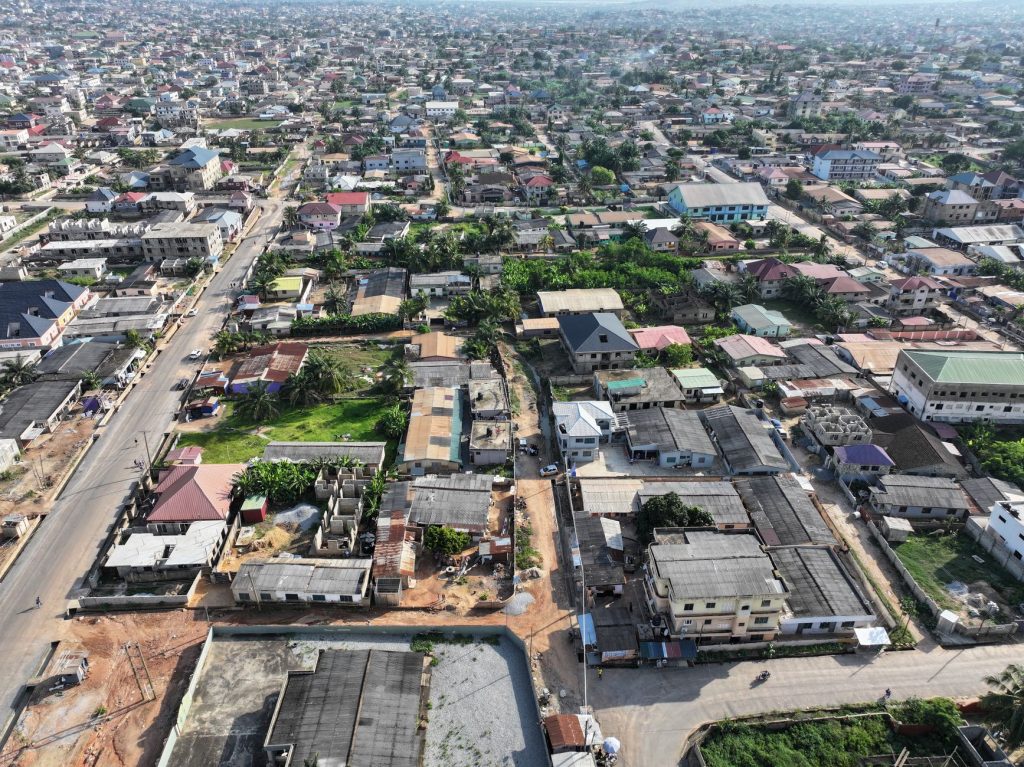
Ghana infrastructure projects: Are they the best investment?
Ghana infrastructure projects are gaining attention as experts arrive to support development. Discover the potential benefits and challenges ahead.
Ghana infrastructure projects are set to receive a boost as Chinese experts arrive in the country. The government is focusing on enhancing Damongo University and Aflao Market, aiming for significant development.
Overview of Ghana’s infrastructure initiatives
Ghana’s infrastructure projects have gained significant attention, especially in light of recent developments aimed at enhancing the nation’s economic landscape. With a focus on vital sectors such as education and trade, the government is actively pursuing initiatives that promise to reshape the country’s infrastructure.
Among the prominent projects is the construction of Damongo University, which aims to improve access to higher education in the Northern Region. This initiative is expected to provide quality educational opportunities and stimulate local economic growth. Additionally, the redevelopment of the Aflao Market is set to modernize trade facilities, fostering a more vibrant commercial environment.
As these projects unfold, numerous stakeholders, including international partners and local communities, are closely monitoring their progress. The arrival of Chinese experts in Ghana is indicative of the collaborative efforts to ensure these projects are executed efficiently and effectively.
Overall, Ghana’s infrastructure initiatives represent not only a commitment to development but also a strategic investment in the future, positioning the nation as a competitive player in the West African region.
Role of Chinese experts in Ghana
The role of Chinese experts in Ghana’s infrastructure projects has become increasingly significant as the government seeks to enhance developmental initiatives across the country. These experts are expected to bring valuable technical knowledge and experience to key projects, such as the Damongo University and Aflao Market developments.
Chinese firms have a well-established presence in Ghana, often engaging in major construction projects that aim to improve the nation’s overall infrastructure. Their involvement is not only limited to financing but also includes the transfer of skills and technology, which is crucial for local capacity building.
Some of the benefits of collaborating with Chinese experts include:
- Cost-effectiveness: Chinese companies often offer competitive pricing for large-scale projects.
- Speed of execution: These firms are known for their ability to complete projects within tight timelines.
- Infrastructure development: They focus on essential sectors, enhancing transportation, education, and commerce.
As Ghana navigates its infrastructure projects, the partnership with Chinese experts may prove to be a strategic investment in the nation’s future.
Impact of Damongo University on local economy
The establishment of Damongo University is poised to significantly impact the local economy of the surrounding area. As one of the notable Ghana infrastructure projects, this university is expected to create numerous job opportunities for residents, ranging from academic positions to support staff roles.
Local businesses are likely to benefit as well. With an influx of students and faculty, demand for goods and services will increase, giving rise to new ventures and encouraging existing businesses to expand. This can lead to a vibrant economic environment, fostering entrepreneurship and stimulating local commerce.
Moreover, the university is anticipated to attract investments in related infrastructure, such as housing and transportation, thereby enhancing the overall development of the region. Local contractors could see increased opportunities for construction projects, further boosting the economy.
It is essential to monitor the long-term effects of Damongo University on the local economy. If effectively managed, this project could serve as a model for future Ghana infrastructure projects, demonstrating how educational institutions can catalyze economic growth in underserved areas.
Aflao Market: A key development project
The Aflao Market development project stands out as a significant investment initiative among Ghana infrastructure projects. Located near the border with Togo, this market is poised to enhance trade and boost economic activities in the region.
The project aims to create a modern trading facility equipped with essential amenities, which will benefit local vendors and attract international traders. By upgrading this market, the government seeks to improve the livelihood of thousands of residents while fostering cross-border commerce.
Local stakeholders express optimism about the market’s potential impact. Emmanuel Kwame, a local trader, stated, “This market will transform our business environment. We expect increased sales and more job opportunities.” Additionally, the new infrastructure is anticipated to promote tourism in the area, as visitors often seek unique shopping experiences.
Furthermore, the involvement of Chinese experts in the project ensures that best practices and modern construction techniques are utilized. As Ghana continues to prioritize infrastructure development, the Aflao Market serves as a prime example of how targeted projects can stimulate economic growth and improve living standards for communities.
Future prospects for Ghana’s infrastructure
As Ghana continues to invest in its infrastructure projects, the future prospects look promising, with a focus on sustainable development and economic growth. The government aims to enhance transportation networks, improve energy supply, and upgrade public facilities, which are critical for attracting both local and foreign investments.
Among the anticipated projects are the expansion of road networks and the modernization of ports, which are essential for boosting trade and commerce. Additionally, investment in renewable energy sources is expected to reduce reliance on traditional energy, creating a more sustainable framework for future growth.
Chinese collaboration has played a significant role in many infrastructure initiatives, providing expertise and funding. This partnership is likely to continue, enhancing the capacity of local professionals and fostering knowledge transfer.
However, the success of these Ghana infrastructure projects will depend on effective management and transparent practices. The involvement of community stakeholders will also be crucial to ensure that these developments meet the needs of the population.
In conclusion, if managed well, Ghana’s infrastructure projects could serve as a catalyst for economic transformation, positioning the country as an attractive destination for investment.
Investors are increasingly looking at Ghana infrastructure projects as a means to stimulate economic growth and improve living standards. However, the sustainability and long-term benefits of these Ghana infrastructure projects remain a topic of debate among experts.
Photo by Cephas Phaso on Pexels