
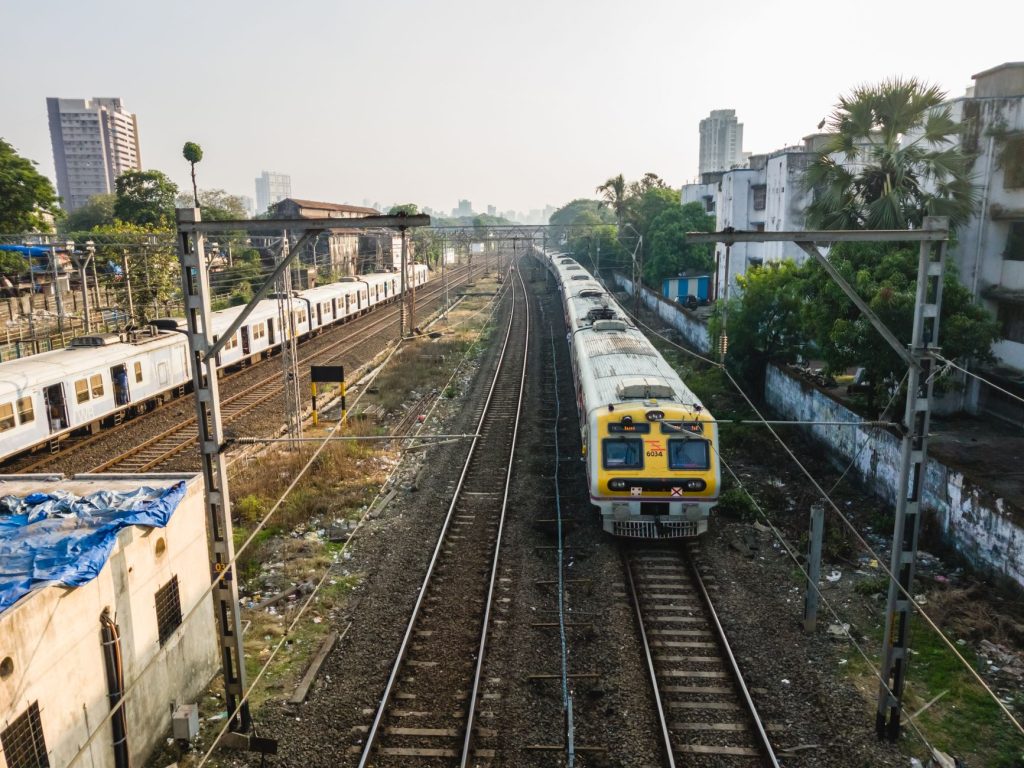
Mumbai-Ahmedabad High-Speed Rail: Cost Escalation Concerns
Mumbai-Ahmedabad High-Speed Rail project faces significant cost escalations, raising concerns among stakeholders and investors.
The Mumbai-Ahmedabad High-Speed Rail project is experiencing cost escalations that have raised concerns among stakeholders. This development could impact the project’s timeline and budget.
Overview of the Project
The Mumbai-Ahmedabad High-Speed Rail project is a significant infrastructure initiative aimed at connecting two of India’s major cities through a state-of-the-art rail system. This ambitious project, utilizing Japanese Shinkansen technology, is envisioned to drastically reduce travel time between Mumbai and Ahmedabad to just under two hours. However, recent reports indicate that costs associated with the project have been steadily escalating, raising concerns among stakeholders and the public.
Originally estimated at approximately ₹1.08 lakh crore, the budget for the Mumbai-Ahmedabad High-Speed Rail project has seen revisions due to various factors. Some of the key reasons for the cost escalation include:
- Land Acquisition Issues: Delays in acquiring land have resulted in increased expenses and prolonged timelines.
- Inflation: Rising costs of materials and labor have contributed to the overall budget increase.
- Environmental Clearances: Obtaining necessary clearances from environmental authorities has added complexity and costs to the project.
Despite the challenges, the Mumbai-Ahmedabad High-Speed Rail project is expected to enhance connectivity, boost economic growth, and provide a green alternative to road travel. As the project progresses, stakeholders remain hopeful that effective measures will be implemented to manage the escalating costs while ensuring timely completion.
Current Status of Construction
The construction of the Mumbai-Ahmedabad High-Speed Rail project is currently facing significant challenges as various factors contribute to escalating costs. As the project progresses, stakeholders are closely monitoring the situation to mitigate further financial implications.
As of now, several key aspects are influencing the construction status:
- Land Acquisition Delays: The timely acquisition of land has been a persistent issue, causing setbacks in the construction schedule.
- Environmental Clearances: Obtaining the necessary approvals has added to the timeline, impacting project budgets.
- Material Costs: A surge in raw material prices has led to increased expenditure, raising concerns about the overall financial viability of the Mumbai-Ahmedabad High-Speed Rail project.
- Labor Shortages: The ongoing effects of the pandemic have resulted in a shortage of skilled laborers, further delaying progress.
Despite these challenges, the project remains a priority for both the Maharashtra and Gujarat governments, with efforts being made to streamline processes and address the issues at hand. Officials have expressed optimism about overcoming these hurdles, emphasizing the long-term benefits of the high-speed rail corridor for both states.
As construction continues, stakeholders are hopeful for a resolution that maintains the project’s original vision while addressing the financial concerns that have emerged.
Financial Implications
The financial implications of the Mumbai-Ahmedabad High-Speed Rail project have raised significant concerns among stakeholders. Initially projected to cost approximately ₹1.10 lakh crore, the escalating expenses are now estimated to exceed ₹1.50 lakh crore, leading to questions about budget management and fiscal accountability.
Several factors contribute to this cost escalation:
- Land Acquisition Delays: Prolonged negotiations and compensations have stalled progress, increasing overall expenditure.
- Inflationary Pressures: Rising costs of materials and labor have inflated the budget significantly over the past few years.
- Design Modifications: Changes in engineering designs to enhance safety and efficiency have further added to the budget.
- Environmental Concerns: Compliance with environmental regulations has necessitated additional spending on mitigation measures.
As the project progresses, the government faces mounting pressure to justify the increasing costs to taxpayers. Critics argue that transparency is crucial in addressing these financial concerns and ensuring that funds are utilized effectively. While the Mumbai-Ahmedabad High-Speed Rail is seen as a transformative infrastructure project, its financial viability must be carefully monitored to avoid potential fiscal challenges in the future.
Stakeholder Reactions
The Mumbai-Ahmedabad High-Speed Rail project has elicited a range of reactions from various stakeholders as cost escalations continue to emerge. Concerns have been raised not only regarding the financial aspects but also about the project’s long-term sustainability and impact on local communities.
Local government officials have expressed their support for the project but are wary of the escalating costs. Rajesh Kumar, a member of the Maharashtra state assembly, stated, “While the high-speed rail line promises to revolutionize connectivity between two major cities, we must ensure that the financial burden does not disproportionately affect taxpayers.”
Environmental activists have voiced their concerns about the project’s potential impact on ecosystems along the route. Meera Joshi, an environmentalist, emphasized, “Cost overruns should not come at the expense of our natural heritage. We need a sustainable approach that prioritizes both development and environmental protection.”
On the other hand, business leaders associated with the project have highlighted the economic benefits of improved transportation. Sunil Patil, a representative from a construction firm involved in the project, remarked, “Despite the rising costs, the Mumbai-Ahmedabad High-Speed Rail will ultimately boost trade and commerce in the region, generating revenue that can offset these expenses.”
As discussions continue, it remains to be seen how stakeholders will navigate the challenges posed by rising costs while aiming to complete this ambitious infrastructure project.
Future Prospects
The future prospects of the Mumbai-Ahmedabad High-Speed Rail project remain a topic of intense debate among stakeholders and industry experts. As the project moves towards completion, several critical factors will influence its success and sustainability.
One of the primary concerns is the financial viability of the project. The escalation in costs has raised alarms about potential budget overruns, which could impact the overall economic benefits anticipated from this high-speed rail corridor. Stakeholders are now questioning whether the expected ridership and revenue will justify the increased expenditure.
Another significant aspect is the environmental impact of the construction and operation of the Mumbai-Ahmedabad High-Speed Rail. Advocates argue that high-speed rail can reduce carbon emissions by providing a viable alternative to road and air travel. However, opponents raise concerns about land acquisition and its effects on local ecosystems.
Moreover, technological advancements and innovations in rail systems could also play a crucial role in shaping the future of the project. As the global demand for sustainable transportation solutions grows, the Mumbai-Ahmedabad High-Speed Rail could set a precedent for future endeavors in India.
In conclusion, while the project holds immense potential, addressing the challenges of cost escalation, environmental concerns, and technological integration will be vital for its long-term success.
Government Response
The recent concerns regarding cost escalation for the Mumbai-Ahmedabad High-Speed Rail project have prompted a response from the government. Officials have acknowledged the financial challenges associated with the ambitious railway corridor, stating that several factors have contributed to the rising costs.
In a statement, a spokesperson from the Ministry of Railways outlined the reasons for the increase, which include:
- Rising land acquisition costs
- Inflation in construction materials
- Unforeseen engineering challenges
The government has emphasized its commitment to the project, highlighting its potential to revolutionize transportation between the two major cities. The spokesperson also assured stakeholders that measures are being taken to mitigate further financial risks.
Furthermore, the government is exploring options to optimize project funding and is in discussions with international investors to secure additional financial support. This includes potential adjustments to the project’s budget to ensure timely completion without compromising on quality.
Despite the rising costs, the government remains optimistic that the Mumbai-Ahmedabad High-Speed Rail will significantly enhance connectivity and spur economic growth in the region. As the project progresses, officials are keen to maintain transparency with the public and stakeholders about any further developments and financial implications.
Photo by Balaji Srinivasan on Pexels