
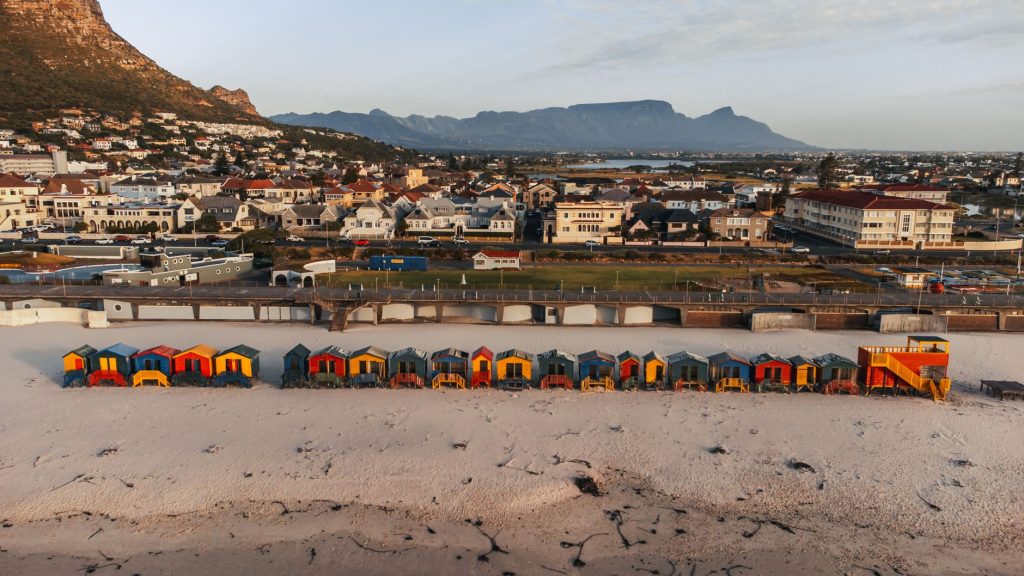
Cape Town housing boom: The Real Cost for Locals
Cape Town housing boom is driving prices up, raising concerns for locals. Discover the implications of this trend.
Cape Town housing boom has sparked significant debate about affordability for local residents. As prices surge, many wonder how long locals can remain in their neighborhoods.
Understanding the Cape Town Housing Boom
The Cape Town housing boom has transformed the city’s real estate landscape, attracting investors and new residents alike. This surge in demand has led to a rapid increase in property prices, raising concerns among local residents about affordability and accessibility.
Many factors contribute to this housing boom, including:
- Tourism Growth: An influx of tourists has spurred demand for short-term rentals, driving prices higher.
- Foreign Investment: Investors from abroad are purchasing properties, further escalating the market.
- Urban Development: Significant urban renewal projects are revitalizing neighborhoods, making them more desirable.
While the housing boom may signal economic growth, it poses risks for long-term residents. Many locals are finding it increasingly difficult to secure affordable housing. This trend raises questions about the sustainability of the city’s growth and whether it will ultimately lead to the displacement of its original inhabitants.
As the Cape Town housing boom continues, stakeholders must address these challenges to ensure that all residents can benefit from the city’s prosperity.
Impact of Rising Prices on Locals
The recent Cape Town housing boom has led to significant price increases, creating a ripple effect on the local community. Many residents are feeling the strain as affordability becomes a major concern.
As property values soar, locals are facing a harsh reality. Key impacts include:
- Displacement: Long-time residents are being forced to relocate to more affordable areas, often far from their workplaces and support networks.
- Increased Rent: Rental prices have skyrocketed, making it difficult for families to secure stable housing.
- Community Fragmentation: The influx of wealthier individuals can change the character of neighborhoods, leading to a loss of local culture and identity.
- Economic Strain: As housing costs rise, locals are left with less disposable income, impacting local businesses and services.
This situation raises critical questions about the sustainability of the Cape Town housing boom and its long-term implications for the residents who have called the city home for generations.
What Experts Say About the Market
Experts have been closely monitoring the Cape Town housing boom, with many expressing concern over its long-term implications for local residents. According to housing analyst Sarah Jones, “The rapid increase in property prices is creating a divide between affluent newcomers and long-standing communities.”
Real estate professionals highlight several factors driving this boom:
- Increased demand: A surge in both local and international buyers seeking investment opportunities.
- Limited supply: The city’s geographical constraints restrict new developments, exacerbating the problem.
- Tourism growth: An influx of tourists has led to more properties being rented out for short-term stays, further escalating prices.
Local economist Mark Thompson notes that while the Cape Town housing boom can stimulate the economy, it risks displacing lower-income families. He warns, “If these trends continue, we may see a significant portion of the population unable to afford housing in their own city.”
Many are calling for policy changes to ensure that the needs of local residents are prioritized in the face of ongoing market pressures.
Comparing Cape Town to Other Cities
As the Cape Town housing boom continues to attract both local and international buyers, comparisons are being drawn with other cities experiencing similar trends. Cities like Toronto and San Francisco have faced skyrocketing real estate prices, leading to significant impacts on their local populations. In these metropolises, a surge in demand often drives housing prices beyond the reach of average residents.
In Cape Town, the situation mirrors some of these global cities, where the influx of wealthy investors and tourists is pushing property values to new heights. The following factors are often considered when drawing these comparisons:
- Population Growth: Rapidly increasing populations can strain housing availability.
- Investment Trends: Foreign investments significantly influence local markets.
- Employment Opportunities: Job availability can attract more residents, further driving demand.
As residents watch prices soar, many fear that Cape Town may soon face a similar fate as other cities, where local inhabitants are increasingly priced out of their own neighborhoods.
Future Predictions for Housing
As Cape Town’s housing boom continues to reshape the real estate landscape, predictions about the future of the market are becoming increasingly important for locals. Experts suggest that while current demand is high, the sustainability of this growth is in question.
Many analysts believe that the rapid increase in property prices could lead to a market correction within the next few years. Factors such as interest rate fluctuations, economic challenges, and changing demographics may contribute to this shift. In particular, the influx of foreign investment and affluent buyers is a double-edged sword, as it drives up prices but also creates opportunities for development.
Furthermore, the local community is already feeling the pressure. Affordability is becoming a significant issue, with many residents struggling to keep up with rising costs. The long-term implications of the Cape Town housing boom could mean that average citizens are at risk of being priced out of their neighborhoods.
Ultimately, the future of housing in Cape Town remains uncertain, but local voices are calling for solutions that prioritize community needs over profit.
Government Response to Housing Issues
In response to the ongoing Cape Town housing boom, local government officials have begun to implement measures aimed at addressing the challenges faced by residents. With skyrocketing property prices threatening to displace long-time locals, the city has introduced several initiatives to increase affordable housing options.
Key strategies include:
- Incentives for Developers: The government is offering tax breaks and subsidies to property developers who commit to building affordable housing units.
- Land Use Regulations: Adjustments to zoning laws have been made to encourage higher-density developments in strategic areas.
- Community Engagement: Local forums are being held to gather input from residents on their housing needs and preferences.
Despite these efforts, critics argue that the pace of change is insufficient, and the measures may not fully alleviate the pressures stemming from the rapid housing boom. As Cape Town continues to attract investment and tourism, the challenge remains to balance growth with the needs of its local population.
Tips for Homebuyers in Cape Town
For potential homebuyers navigating the Cape Town housing boom, it’s essential to approach the market with careful consideration. Here are some tips to help you make informed decisions:
- Research the Market: Stay updated on current trends and property values in various neighborhoods. Understanding the market will empower you to negotiate better.
- Set a Realistic Budget: With rising prices, it’s crucial to establish a budget that includes all associated costs, such as taxes and maintenance.
- Consider Alternative Areas: Look beyond popular neighborhoods. Emerging areas may provide more affordable options with great potential for growth.
- Engage a Local Realtor: A knowledgeable realtor can offer insights into the market and help you find properties that meet your needs.
- Be Prepared to Act Fast: In a competitive market, desirable properties can sell quickly. Be ready to make an offer when you find the right fit.
By following these tips, homebuyers can better navigate the complexities of the Cape Town housing boom.
Community Perspectives on the Boom
As Cape Town’s housing boom continues to reshape the skyline, local residents express a mix of hope and concern. Many long-time inhabitants have witnessed the transformation of their neighborhoods, which were once affordable and vibrant communities. Now, soaring property prices are pushing them to reconsider their futures in the city.
“It’s heart-wrenching to see so many families forced to leave,” shares Thandiwe Ndlela, a community leader from Observatory. “What was once a friendly neighborhood is becoming a playground for the wealthy.” Locals worry about the impact this boom will have on their cultural identity and community ties.
- Economic Disparities: The influx of wealth has exacerbated social inequalities, making it difficult for average residents to secure housing.
- Community Fragmentation: Long-standing friendships and support networks are at risk as familiar faces move away.
- Calls for Action: Many residents are advocating for policies that prioritize affordable housing and protect local interests.
As the Cape Town housing boom continues, the future for locals remains uncertain, raising pressing questions about accessibility and community sustainability.
Photo by Aqeel Khan on Pexels
Sources
Infinix power stations: Best Portable Energy Solution Proven · Apple TV 4K Updates: The Best Proven Features to Enjoy · Mumbai Westpark launch: The Best Proven Investment Opportunity