
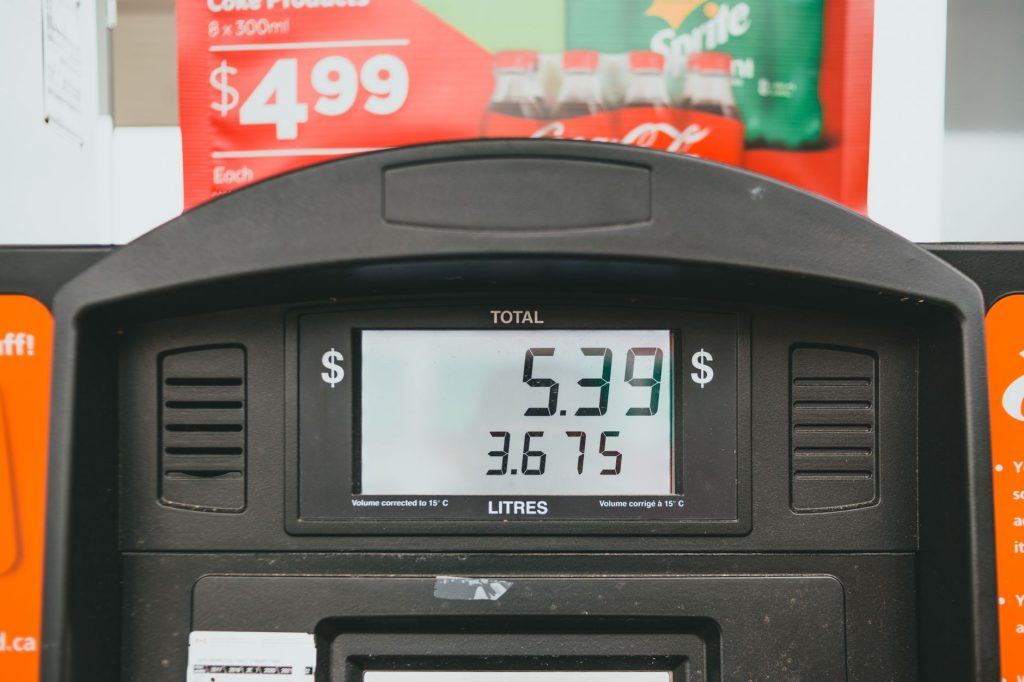
Higher Gas Prices: Smart Tips for Managing Costs
Higher gas prices can strain your budget, but there are smart tips to manage costs effectively.
higher gas prices are impacting many households today, making it essential to find effective strategies for managing these rising costs. This article explores practical solutions to help you navigate the financial challenges.
Understanding the Impact of Higher Gas Prices
Higher gas prices can significantly affect household budgets and overall economic stability. As fuel costs rise, consumers may find themselves adjusting their spending habits to accommodate these changes. Understanding the impact of higher gas prices is essential for effective financial planning.
One of the most immediate effects of increased gas prices is the strain on personal finances. Families may need to allocate more of their monthly budget to fuel expenses, potentially leading to cutbacks in other areas such as entertainment or dining out. This shift can ripple through the economy, as reduced consumer spending impacts local businesses.
In addition to personal budgeting concerns, higher gas prices can also impact transportation costs for businesses. Companies that rely on shipping and logistics may face increased operational expenses, which can result in higher prices for consumers on everyday goods.
Moreover, the implications of rising gas prices extend beyond just individual budgets. Economists often warn that sustained increases can contribute to inflationary pressures, affecting everything from grocery prices to service fees.
To mitigate the effects of higher gas prices, individuals and businesses alike should consider strategies for reducing fuel consumption and exploring alternative transportation options.
Tips for Budgeting During Price Increases
As higher gas prices continue to strain budgets, implementing smart strategies can help manage costs more effectively. Here are some practical tips for budgeting during price increases:
- Track Your Spending: Keep a detailed record of your gas expenses. This will allow you to identify patterns and adjust your budget accordingly.
- Plan Your Trips: Combine errands into a single trip to reduce the amount of driving needed. This can significantly cut down on gas consumption.
- Use Apps for Price Comparison: Leverage mobile apps that help you find the cheapest gas prices in your area, enabling you to fill up at the best rates.
- Consider Carpooling: Sharing rides with coworkers or friends can help reduce individual fuel costs and ease the burden of higher gas prices.
- Maintain Your Vehicle: Regular maintenance, such as checking tire pressure and oil changes, can improve your vehicle’s fuel efficiency, saving you money in the long run.
By adopting these strategies, you can better manage your finances and mitigate the impact of rising gas prices on your household budget.
How Taxes Affect Your Financial Planning
Higher gas prices can significantly influence your financial planning, particularly when it comes to taxes. As fuel costs rise, it’s essential to understand how taxes can affect your overall expenses and budget.
One key factor to consider is the federal and state taxes applied to gasoline. These taxes can vary widely depending on your location, impacting the price at the pump. When gas prices increase, the tax burden can feel even heavier, which in turn affects your disposable income.
To effectively manage costs amid higher gas prices, consider these strategies:
- Track Your Expenses: Keep a close eye on how much you’re spending on gas each month. This can help you identify patterns and make necessary adjustments.
- Tax Deductions: Explore potential tax deductions related to travel and commuting. If you use your vehicle for work, you may be eligible to deduct certain expenses.
- Fuel-Efficient Choices: Consider switching to a more fuel-efficient vehicle or utilizing public transportation to reduce your overall gas expenses.
- Plan Ahead: With fluctuating gas prices, planning your trips and combining errands can help minimize fuel consumption.
By understanding the relationship between higher gas prices and taxes, you can make smarter financial decisions.
Interest Rates and Their Role in Your Budget
As higher gas prices continue to strain budgets, it is essential to consider how interest rates can influence your overall financial situation. Interest rates determine the cost of borrowing money, which can significantly impact your monthly expenses. When gas prices rise, many consumers may resort to taking out personal loans or relying on credit cards to cover additional transportation costs. This can lead to increased debt if interest rates are high.
To manage your budget effectively during periods of higher gas prices, consider the following:
- Evaluate your current loans: Review any existing loans and their interest rates. If possible, consider refinancing options to lower your monthly payments.
- Utilize a budget app: Keep track of your spending to identify areas where you can cut back, especially in transportation costs.
- Build an emergency fund: Set aside a small amount each month to prepare for unexpected increases in gas prices or interest rate hikes.
- Consider public transportation: Explore alternative commuting options that could save you money on gas while also reducing wear and tear on your vehicle.
By staying informed about interest rates and actively managing your budget, you can navigate the challenges posed by higher gas prices more effectively.
Practical Ways to Cut Costs
As consumers face higher gas prices, finding practical ways to cut costs becomes essential for maintaining your budget. Here are several strategies to help manage your expenses effectively:
- Carpooling: Sharing rides with coworkers or friends can significantly reduce the amount spent on gas. Look for local carpooling groups or apps to connect with others.
- Public Transportation: Utilizing buses, trains, or subways can be a cost-effective alternative to driving. Check local schedules and routes to find the best options for your commute.
- Plan Your Trips: Combine errands into a single trip to minimize driving. Planning your route can save both time and fuel, helping to mitigate the impact of higher gas prices.
- Maintain Your Vehicle: Regularly servicing your car, including oil changes and tire maintenance, can improve fuel efficiency. A well-maintained vehicle uses less gas, ultimately saving you money.
- Explore Alternative Transportation: Consider biking or walking for shorter distances. Not only is this eco-friendly, but it also helps you avoid gas costs entirely.
By implementing these tips, you can better navigate the challenges posed by rising fuel costs and keep your budget in check.
The Importance of Financial Literacy
In today’s economy, understanding the factors that contribute to higher gas prices is essential for effective financial management. Financial literacy not only helps individuals make informed decisions about their spending and saving but also empowers them to navigate the complexities of fluctuating fuel costs.
Having a strong grasp of financial concepts can lead to better budgeting practices, especially when gas prices rise unexpectedly. When consumers are aware of how gas prices affect their overall budget, they can adjust their expenditures accordingly. This might include prioritizing essential trips, using public transportation, or even carpooling to mitigate the impact of higher fuel costs.
Moreover, financial literacy extends beyond just understanding gas prices. It encompasses knowledge of taxes, interest rates, and other economic indicators that influence personal finances. By staying informed about these factors, individuals can develop strategies to manage their costs effectively.
Here are some key aspects of financial literacy to consider:
- Budgeting skills: Knowing how to allocate funds can alleviate stress during price hikes.
- Investment awareness: Understanding how market trends can impact your wallet.
- Resourcefulness: Finding alternative solutions to reduce reliance on gasoline.
Ultimately, enhancing financial literacy is a vital step towards managing the challenges posed by higher gas prices.
Long-term Strategies for Economic Stability
To navigate the challenges posed by higher gas prices, individuals and families can adopt several long-term strategies aimed at enhancing their economic stability. These strategies not only help manage current costs but also prepare for future fluctuations.
One effective approach is to invest in energy-efficient vehicles. Hybrid and electric cars typically offer significant savings on fuel in the long run, reducing the overall impact of rising gas prices. Additionally, regular maintenance of existing vehicles can lead to improved fuel efficiency, further decreasing expenses.
Another strategy involves exploring alternative transportation options. Utilizing public transit, carpooling, or biking can substantially lower commuting costs. By reducing reliance on personal vehicles, families can mitigate the financial strain caused by increased fuel prices.
Moreover, creating a dedicated savings fund for transportation-related expenses can provide a buffer during times of higher gas prices. Setting aside a small amount each month can help cover unexpected spikes in fuel costs.
Finally, staying informed about market trends and local fuel prices can empower consumers to make educated decisions about when and where to fill up. With proactive planning and adaptability, individuals can effectively manage their finances amid rising gas prices.
Resources for Financial Assistance
As consumers face higher gas prices, exploring available resources for financial assistance can be crucial in managing costs effectively. Various programs and services can provide support to those struggling with increased fuel expenses.
Consider the following resources:
- Government Assistance Programs: Many state and federal programs offer financial aid to low-income households impacted by rising gas prices. Check with your local government for eligibility requirements and application processes.
- Non-profit Organizations: Numerous non-profits focus on helping individuals manage rising living costs, including transport expenses. Research local organizations that provide grants or vouchers for fuel assistance.
- Community Resources: Local community centers often have information on resources available to residents facing financial hardship. They may also host workshops on budgeting and financial planning.
- Utility Assistance Programs: Some utility companies offer programs to assist customers with their bills, which can free up funds for higher gas prices.
Utilizing these resources can help ease the burden of rising fuel costs. Being proactive and informed can make a significant difference in your financial situation during challenging times.
Photo by Erik Mclean on Pexels