
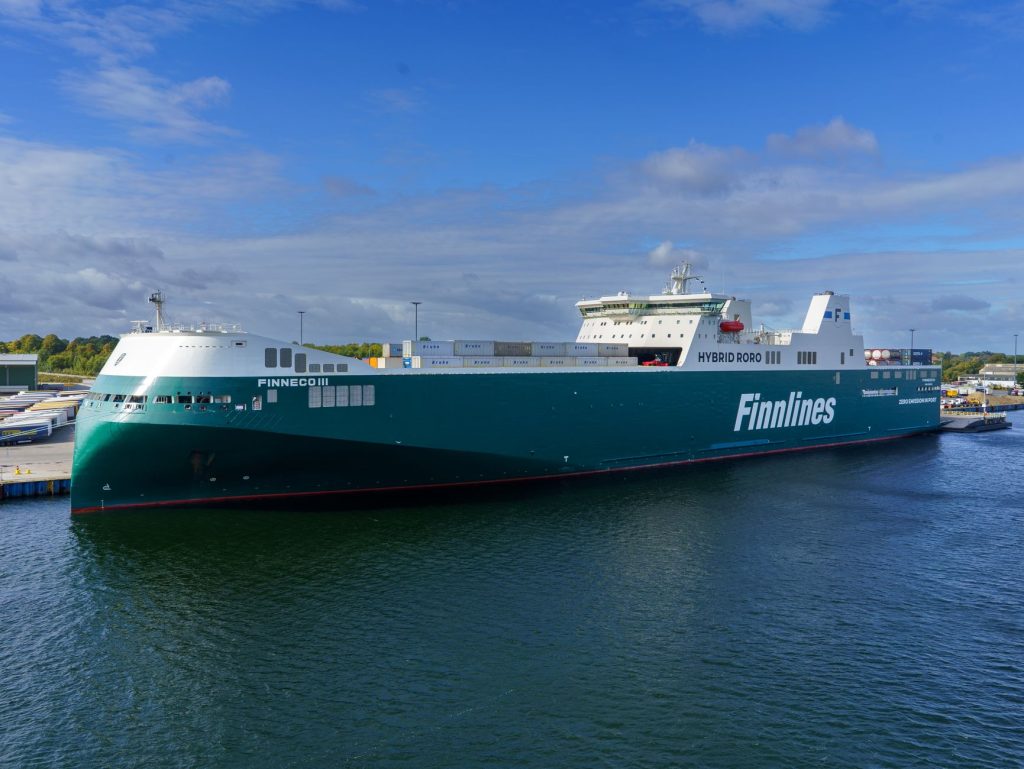
New RoRos Launch: Delayed to February 2027!
New RoRos launch details pushed to February 2027, impacting logistics and transportation.
The new RoRos launch has been pushed to February 2027, causing significant changes in shipping schedules and logistics planning.
What Are RoRos?
RoRos, or Roll-on/Roll-off ships, are specialized vessels designed for the efficient transportation of vehicles, cargo, and other goods. They allow vehicles to be driven directly onto the ship and off again upon arrival, streamlining the loading and unloading process.
These ships are particularly beneficial for transporting large volumes of wheeled cargo, including:
- Automobiles
- Trucks
- Trailers
- Heavy equipment
The design of RoRos facilitates quick turnarounds in port, significantly reducing waiting times compared to traditional cargo vessels. Additionally, their unique structure often features ramps for easy access, making them a preferred choice for shipping companies.
The upcoming new RoRos launch, originally scheduled for an earlier date, has been postponed to February 2027. This delay raises questions about the logistics and planning surrounding their introduction into service.
As the maritime industry continues to evolve, RoRos play a crucial role in enhancing global trade and transportation efficiency.
Impact of Delay on Shipping
The delay of the new RoRos launch to February 2027 has raised significant concerns within the shipping industry. Stakeholders are worried about the potential ripple effects this postponement may have on supply chains and maritime logistics.
Several factors are contributing to the impact of this delay:
- Increased Costs: Shipping companies may face higher operational expenses as they continue to rely on older vessels for cargo transport.
- Capacity Issues: The limited availability of current RoRos could lead to shipping bottlenecks, further straining supply chains.
- Market Uncertainty: The delay has generated hesitancy among shipping firms and clients, making long-term planning and contracts more challenging.
- Environmental Concerns: Older vessels are typically less efficient, which may lead to increased emissions during the extended wait for the new RoRos.
As the industry braces for these challenges, many are looking for solutions to mitigate the impact of the postponed new RoRos launch.
Reasons for the Postponement
The delay in the launch of the new RoRos has been attributed to several key factors that have affected the shipping industry. These reasons include:
- Supply Chain Disruptions: Ongoing global supply chain challenges have made it difficult to procure essential materials and components necessary for the construction of the new vessels.
- Regulatory Hurdles: Changes in maritime regulations and compliance requirements have added unforeseen delays in the approval processes for the new RoRos.
- Labor Shortages: A shortage of skilled labor in the shipbuilding sector has slowed down production timelines, impacting the overall schedule for the new RoRos.
- Technology Integration: The incorporation of advanced technology into the design of the new RoRos has required additional time for testing and implementation.
As a result of these combined factors, stakeholders now anticipate that the launch will be postponed until February 2027, pushing back initial projections significantly.
Future of Maritime Transportation
The future of maritime transportation is poised for significant change with the upcoming launch of new RoRos, now rescheduled for February 2027. Despite the delay, industry experts remain optimistic about the advancements these vessels will bring to global shipping.
As the demand for efficient and environmentally friendly transportation methods grows, the new RoRos are expected to incorporate cutting-edge technology. Key features will likely include:
- Enhanced fuel efficiency: Innovations in engine design aim to reduce emissions and operational costs.
- Increased cargo capacity: The design improvements will allow for transporting more vehicles and goods in a single trip.
- Advanced safety measures: New RoRos will be equipped with state-of-the-art navigation and safety systems.
While the delay is unfortunate, it provides an opportunity for further refinement of these vessels, ensuring that they meet the highest standards of performance and sustainability. The maritime industry anticipates that the launch will mark a new era in transportation, redefining efficiency at sea.
Industry Reactions to the Delay
The announcement regarding the delay of the new RoRos launch has prompted a wave of reactions across the maritime industry. Stakeholders have expressed a mixture of disappointment and understanding as they navigate the implications of the postponement.
Many shipping companies have voiced concerns over the impact this delay will have on their operational plans. John Thompson, a logistics manager at a major shipping firm, stated, “We were counting on the new RoRos to enhance our fleet capabilities, and this setback puts us in a difficult position.”
Conversely, some industry experts suggest that the delay could offer an opportunity for improvements. Dr. Emily Rivera, a maritime analyst, noted, “This extra time might allow for further technological advancements and better sustainability features, ultimately benefiting the industry in the long run.”
As the February 2027 launch date approaches, stakeholders will be closely monitoring developments, hoping that the new RoRos will meet the heightened expectations set by this delay.
New RoRos Launch Timeline
The timeline for the highly anticipated new RoRos launch has faced significant changes, now set to occur in February 2027. This postponement has left many in the maritime industry reevaluating their plans and expectations.
Initially scheduled for a much earlier release, the delay has raised concerns regarding the broader implications for shipping schedules and operational capabilities. The new RoRos, designed to enhance efficiency and sustainability, are critical to the future of cargo transport.
Key milestones leading up to the launch include:
- Initial Design Approval: Completed in early 2025
- Construction Commencement: Expected by mid-2025
- Testing Phase: Slated for late 2026
- Final Revisions: To be concluded before the official launch
As stakeholders await the new RoRos launch, the timeline adjustments underscore the complexities of modern shipbuilding and the need for adaptability in the maritime sector.
The new RoRos launch has faced significant setbacks, prompting concerns among stakeholders about its impact on the shipping industry. As the anticipated date shifts to February 2027, many are eager to see how the new RoRos launch will ultimately reshape maritime logistics.
Photo by Markku Soini on Pexels