
Queenslanders Head West: Is This the Best Move for Property?
Queenslanders head west as city living declines, boosting property prices in rural areas. Discover the reasons behind this trend.
Queenslanders head west in search of a better lifestyle, leaving behind crowded cities. This shift is significantly impacting property prices in regional areas.
Why Are Queenslanders Moving West?
In recent months, a notable trend has emerged as Queenslanders head west in search of better living conditions and affordable housing options. This migration is driven by several factors influencing the choices of many families and individuals.
- Desire for Space: Many are seeking larger homes with outdoor spaces, which are often more attainable in western regions compared to urban centers.
- Cost of Living: The rising costs associated with city living have prompted Queenslanders to explore more affordable alternatives in the west.
- Quality of Life: A quieter, less congested lifestyle is appealing to those tired of the hustle and bustle of city life.
- Job Opportunities: With remote work becoming more common, many Queenslanders can now pursue employment without being tied to urban locations.
This shift is not only reshaping the demographics of western areas but also having a significant impact on local property markets, driving prices upwards as demand increases.
Impact on Property Prices
As more Queenslanders head west in search of a quieter lifestyle and affordable housing, the property market in these regions is experiencing notable changes. Recent trends indicate a surge in demand, which is driving property prices upward.
In particular, areas that were once considered remote are now becoming attractive locations for families and retirees alike. This influx brings both opportunities and challenges:
- Increased Demand: The migration of Queenslanders is leading to a competitive market, often resulting in bidding wars for properties.
- Rising Prices: As more buyers enter the market, property prices are expected to climb, making it essential for potential buyers to act quickly.
- Community Development: The arrival of new residents is prompting local governments to invest in infrastructure and services, enhancing the overall appeal of these areas.
The question remains: will the trend continue, and how will it reshape the property landscape for Queenslanders heading west?
Lifestyle Changes in Rural Areas
As Queenslanders head west in search of a more fulfilling lifestyle, rural areas are experiencing a significant transformation. Many individuals and families are drawn to the promise of open spaces, scenic landscapes, and a slower pace of life. This shift not only affects the property market but also enriches the local communities.
Some of the key lifestyle changes observed in these rural areas include:
- Increased community engagement: New residents often bring fresh ideas and energy, leading to the revitalization of local events and initiatives.
- Access to nature: With more outdoor recreational opportunities, residents can enjoy hiking, fishing, and farming, fostering a deeper connection to their environment.
- Work-life balance: Many Queenslanders are finding that remote work allows them to enjoy rural living without sacrificing career opportunities.
- Affordable living: The cost of living in these areas tends to be lower, making it possible for families to secure larger homes and land.
Ultimately, the trend of Queenslanders heading west is reshaping not just property markets, but also the very fabric of rural life.
The Future of Regional Real Estate
The future of regional real estate appears promising as more Queenslanders head west in search of better opportunities and lifestyles. With an increasing number of residents relocating to rural areas, the demand for properties in these regions is expected to rise significantly.
One of the key factors driving this trend is the enhanced infrastructure and amenities available in regional towns. As local governments invest in roads, schools, and healthcare facilities, these areas become more attractive to potential buyers. Additionally, the shift towards remote work has allowed many to consider living in less populated areas while still maintaining their careers.
However, challenges remain. The rapid increase in property demand can lead to affordability issues for long-term residents. It is crucial for local authorities to strike a balance between growth and preserving the character of these communities. Ultimately, as more Queenslanders head west, the evolution of regional real estate will play a vital role in shaping the future of these areas.
Government Policies Supporting Migration
Government policies aimed at encouraging migration to regional areas are playing a significant role in the trend of Queenslanders head west. These initiatives aim to alleviate urban congestion while promoting economic growth in less populated regions.
Several policies have been implemented to support this shift, including:
- Incentives for businesses: Financial support for companies that set up operations in regional areas boosts local employment opportunities.
- Improved infrastructure: Investments in transport and communication networks are making it easier for people to relocate and stay connected.
- Subsidies for housing: Government grants and loans assist families in purchasing homes in these emerging markets.
- Community development programs: Initiatives aimed at enhancing local amenities help to attract new residents and improve quality of life.
As more Queenslanders embrace life in the west, these supportive policies will likely continue to shape the migration landscape and influence regional property markets.
Challenges of Moving to the Country
While the trend of Queenslanders heading west offers numerous benefits, there are also significant challenges that potential movers must consider. One of the primary concerns is the availability of essential services, which can be limited in rural areas compared to urban centers.
Additionally, relocating to the country often involves a shift in lifestyle, which may not be suitable for everyone. The following are some challenges that individuals should keep in mind:
- Job Opportunities: Employment options may be scarce in certain regions, potentially leading to longer commutes or the need for remote work.
- Access to Healthcare: Rural healthcare facilities may not offer the same level of care or specialization as urban hospitals.
- Social Isolation: The move can result in feelings of isolation, particularly for those accustomed to the vibrant social scene of the city.
- Infrastructure: Some areas may lack the infrastructure necessary for modern living, including internet connectivity and public transport.
Despite these challenges, Queenslanders heading west are seeking a more peaceful lifestyle, balanced with the potential for community growth.
Success Stories of New Residents
As Queenslanders head west, many have discovered new opportunities and a revitalized sense of community. The stories of recent transplants highlight the benefits of this migration trend.
- Emily and Tom, a young couple from Brisbane, relocated to Toowoomba seeking affordable housing. They now enjoy a spacious home with a backyard, a luxury that was out of reach in the city.
- Mark, a retired teacher, moved to the Sunshine Coast hinterland and has embraced a quieter lifestyle. He finds joy in gardening and engaging with local community groups.
- Sophie, a remote worker, transitioned to a rural property in Charleville. She appreciates the improved work-life balance and the stunning natural surroundings.
These success stories illustrate how moving west has transformed lives, offering not just a change of scenery but also enhanced quality of life. As more Queenslanders head west, the positive impacts on individuals and communities continue to unfold.
As the property market continues to shift, more Queenslanders head west in search of affordable housing and new opportunities. This trend raises questions about the long-term implications for both urban and rural communities as Queenslanders head west for a better quality of life.
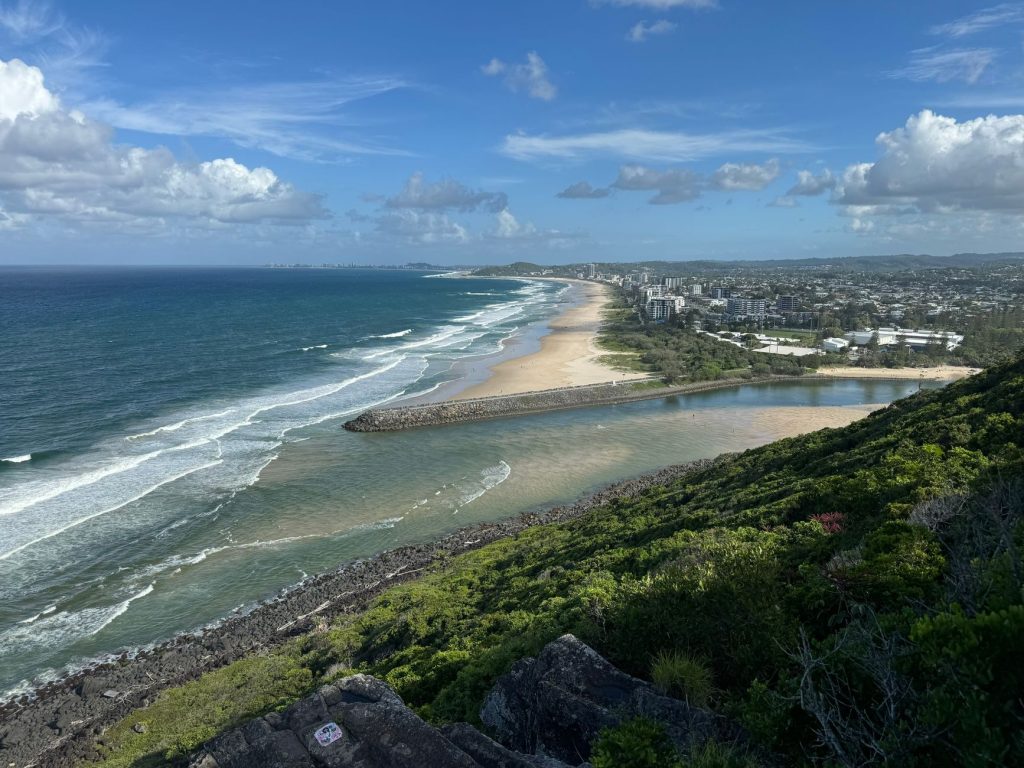
Photo by Petra Nesti on Pexels